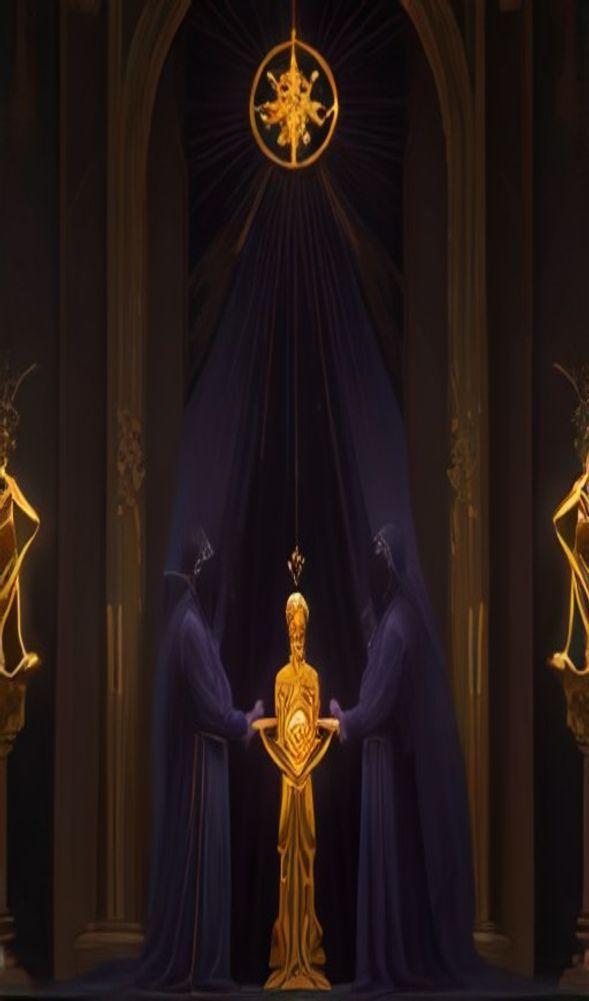
The Hierophant
The Keeper of Wisdom
“You’re the reason the good things get passed down.”
The Hierophant meaning at a glance
The Hierophant means belonging to something bigger than yourself — tradition, institution, marriage, mentorship, or a structure you willingly join. Upright, it favors commitment, formal learning, and trusted guidance. Reversed, it points toward mutual understanding and easier consensus, though sometimes tipping into excessive leniency rather than any real breakdown of structure.
The Hierophant upright meaning
The Hierophant sits between two pillars like a bridge between what came before you and what you are now choosing to carry forward. When this card appears, it usually marks a moment of formal joining — a marriage, a contract, an apprenticeship, a return to faith or community after drifting from it. It is the tarot's clearest signal that some structure larger than your own preferences is now relevant to your situation, and that structure is offering something worth having.
When The Hierophant shows up in a reading, it commonly points to alliance and mutual obligation. Two people or parties are agreeing to be bound in some way, whether that's a wedding, a formal partnership, or simply committing to a shared set of rules. It can also describe someone specific: a teacher, counselor, officiant, or elder whose guidance the querent has sought out or should seek out, someone whose authority comes from experience rather than force.
The action this card points toward is straightforward: find the person or institution that already knows the path you're on, and let them teach you rather than reinventing it alone. This might mean enrolling in that program, having the conversation about commitment, or simply asking someone further along for the version of advice that only comes from having lived it. Tradition, used well here, saves you time.
The Hierophant reversed meaning
The Hierophant reversed rarely means rebellion or collapse, even though it looks like it should. Read plainly, it signifies society, good understanding, and concord — often an easier, more informal harmony than the upright card's structure. If you were bracing for a warning about broken institutions, this card is gentler than that: it is about people finding agreement, sometimes outside the usual channels.
Reversed, this card frequently appears when consensus comes without much friction — a family finally agreeing on something, a group settling into shared understanding, a disagreement resolving faster than expected. It can also describe overkindness and weakness: an authority figure, or you yourself, being too accommodating, letting standards slide to keep the peace, or agreeing to something out of a wish to avoid conflict rather than genuine conviction.
The useful move here is to enjoy the concord while checking where it came from. If understanding arrived because people actually listened to each other, take it. If it arrived because someone folded too easily, including you, that's worth naming before it becomes a habit. Good understanding is only durable when it isn't propped up by one side quietly giving in.
The Hierophant: yes or no?
The Hierophant leans yes, particularly for questions about commitment, formal agreements, joining a group, or seeking guidance from someone qualified. It favors situations where structure, tradition, or an established process is involved. The caveat: this is a yes that comes with terms attached, not a free pass. If the question is about breaking from convention or going it alone, treat this card as a prompt to reconsider rather than a green light.
The Hierophant as feelings
Upright
As feelings, The Hierophant upright suggests this person sees you within a serious frame — marriage-minded, future-oriented, thinking in terms of commitment rather than novelty. They may be measuring you against their values, their family, or what they consider a real partnership, and taking that measuring seriously rather than casually. It's a steady, intentional kind of regard, sometimes slow-moving because it's weighing something lasting.
Reversed
Reversed as feelings, The Hierophant points to easy rapport rather than deep formality. This person likely feels comfortable and understood around you, with little friction, though there's a chance that comfort comes from them being more accommodating than they'd normally be. They may be avoiding a harder, more honest conversation in favor of keeping things pleasant and agreeable.
The Hierophant in love
Upright
In love, The Hierophant upright is the commitment card: engagement, marriage, meeting the family, or a relationship that's moving toward formal recognition. For couples, it favors ceremony and shared values — the wedding conversation, the decision to build a life on agreed terms. For singles, it can mean meeting someone through a structured setting, like faith, education, or family introduction, or being drawn to a partner who represents stability and shared tradition.
Reversed
Reversed in love, The Hierophant points to relationships running on easy agreement rather than deep alignment. Couples may find themselves getting along well on the surface while avoiding the harder conversations about values or direction. For singles, it can mean a connection that feels comfortable and undemanding, pleasant but not yet tested by anything real. Watch for overkindness standing in for honesty on either side.
The Hierophant in career
In career readings, The Hierophant favors institutions, education, mentorship, and any field built on established credentials or lineage: teaching, ministry, law, medicine, academia, or long-standing companies with clear hierarchies. It often signals formal training, certification, or the wisdom of a mentor who has already walked the path you're on.
Upright, expect progress through recognized channels: the degree, the license, the apprenticeship that opens doors. Reversed, workplaces tend toward informal consensus and easier cooperation, though sometimes at the cost of enforcing real standards. If reversed, ask whether harmony at work is coming from genuine alignment or from someone, possibly you, avoiding a necessary hard conversation.
As a birth card
You carry tradition the way rivers carry minerals — invisibly enriching everyone downstream. People come to you to learn not just skills but how to be. You take belonging seriously: rituals, communities, craft lineages.
Frequently asked questions
Is The Hierophant a good card to get?
Yes, especially for questions about commitment, education, or guidance. It signals trustworthy structure and meaningful alliance. It's less welcome if you're hoping for permission to break from convention, since this card favors working within established paths.
What does The Hierophant mean for someone thinking of you?
It suggests they're thinking of you in serious, committed terms, weighing you against their values or future plans. Reversed, they may feel warm and agreeable toward you without much depth behind it yet, or without wanting to test the connection too hard.
Is The Hierophant a yes or no card?
Generally yes, particularly for commitment, formal agreements, or seeking qualified guidance. It's a conditional yes tied to structure and process rather than spontaneity.
What does The Hierophant mean in a marriage or commitment reading?
It's one of the strongest marriage cards in the deck, often pointing directly to engagement, wedding planning, or a relationship formalizing through shared values and ceremony rather than staying casual.
What does The Hierophant reversed really mean?
Read plainly, it means society, good understanding, and concord — often easier consensus than the upright card's formality. Watch for overkindness or weakness where standards are being softened just to keep the peace.
Which card are you? Take the 60-second test
Find my card